Coronavirus Vaccine: 7 Participants Disqualified From Oxford Phase III Trials, Factors That Are Considered
01/8 COVID-19 vaccine trials are happening in an advanced manner
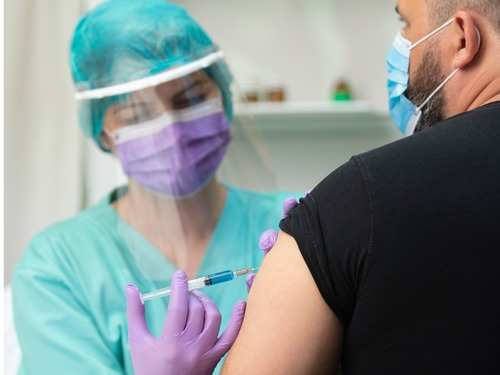
Vaccine trials are going on in an unprecedented manner across India and the globe, considering the urgency of the COVID-19 pandemic. Most of the vaccines under contention right now are way into phase II and III of trials, with high hopes that we'll see a vaccine ready by early months of 2021.
While most vaccine trials are split according to the objectives and safety studies, an inclusive vaccine trial makes sure that all aspects are considered before a vaccine is approved for use. Hence, phase III, considered to be the most crucial leg of trials involves a large group of volunteers, from varied categories and age groups.
02/8 Can someone be disqualified from a vaccine trial?

However, even though some groups are running 'short' of volunteers, there are others who are not accepted into phase III trials. Oxford-AstraZeneca, which is one of the most promising vaccine candidates is running phase III trials in India as 'Covishield'. While the testing is seeing an active response from the public, recent reports have suggested that at least seven participants have been found ineligible for vaccine testing, as the Serum Institute of India began phase III testing at a government facility in Pune.
According to an agency report, the volunteers in question were disqualified because of medical reasons and would be screened again this week.
"All seven candidates who were selected on Monday have become ineligible due to various medical reasons, including antibody test coming positive for some...Some more candidates have been screened today (Tuesday) and if their results in the antibody and COVID-19 tests are negative and if they are eligible on other medical grounds, they will be administered vaccine candidate.."
It should be noted that while volunteers, in any trial have the option to opt-out or leave the trial at any time, there are specific guidelines as to who can enrol for the trial, be tested on, followed globally.
03/8 What is the enrolment strategy for vaccine trials right now?

Not just for novel coronavirus, but selecting participants for any vaccine trial is a tedious process. That being said, there are some cannot participate:
04/8 Pregnant women

Not only are pregnant women immuno-compromised (since the body is providing nourishment for two), vaccine trials could expose them to certain side-effects which could be harmful to the unborn baby and their reactions may be slightly different to that of non-pregnant women. The doses experimented with could also be high for use during pregnancy, which again could lead to unwelcome complications. It is usually required that only women who are not planning for a baby, or have had a child in the past year or so participate.
While this is a standard practice being followed since years, some small studies have made exceptions for the category. However, pregnant women are largely kept away from coronavirus vaccine trials.
05/8 Those who have already been infected or have antibodies

A vaccine trial works to test whether or not a vaccine delivers immunogenicity response and spikes antibodies in the test body. Now, for someone who has already had the infection, there will be enough antibodies present (even if temporary) which can make it difficult to ascertain results of the vaccine's workability. Hence, one of the criteria for vaccine trial eligibility is for a volunteer to be healthy, and have not had coronavirus infection recently.
06/8 Those who are on any kind of medication or steroids

People who are put on any kind of medication or steroid supplements can showcase an altered response to the vaccine. Hence, it's preferred that volunteers who register for the trial have not have undergone recent surgery or any operation, for which they might have been advised medications.
07/8 People with underlying medical conditions

Underlying medical conditions come under the high-risk category, considering they impact your immunity. The vaccine may not deliver the best results, or may expose them to certain side-effects, which may not be the most favourable in trials. Even if high-risk volunteers are included, they are subject to a lot of regulation and monitoring, in mid-stage level.
08/8 Those who might be living far-off

While distance isn't the most crucial criteria, trial investigators prefer enrolling people who live nearby. This is primarily because vaccine trials involve regular monitoring and observing patients for any side-effects, or symptoms. Living far off may find it difficult to follow up for regular consultations and checks. This, experts feel is also a reason why women, of childrearing age, are not preferred for the trial, since they may find it difficult to follow up.
Comments
Post a Comment